

Why Are Gutters Pulling Away From Your Home?
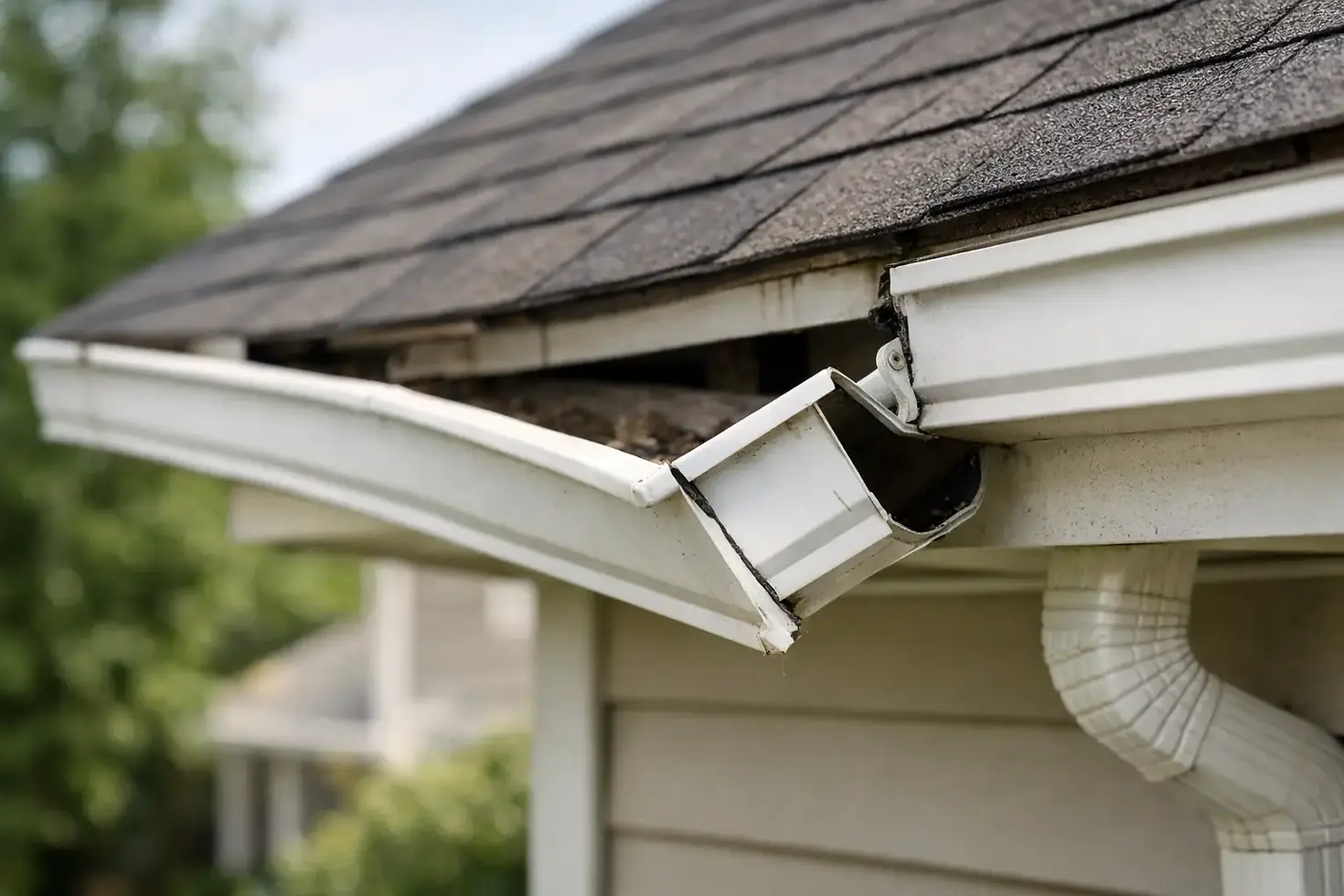
A gutter that is pulling away from the roofline is more than an eyesore. If you are asking, “why are gutters pulling away,” the answer often involves water, weakened wood, failing fasteners, or a system that is carrying more weight than it was designed to handle. Left alone, that small gap can turn into overflowing water, damaged fascia boards, stained siding, and moisture near your foundation.
For Virginia homeowners, the problem can show up quickly after a heavy storm, leaf season, or a stretch of freeze-thaw weather. The good news is that early attention can often prevent a larger repair. The key is understanding what caused the separation before simply pushing the gutter back into place.
Why Are Gutters Pulling Away? Common Causes
Gutters should sit securely against the fascia board, the horizontal board along the edge of your roof. When they begin to sag, tilt, or separate from that board, something in the gutter system or the wood behind it has likely failed.
Clogs add weight where it matters most
Leaves, pine needles, shingle grit, and roof debris trap water inside a gutter. A full gutter can become surprisingly heavy, especially during one of Virginia’s hard rainstorms. That added weight puts constant strain on hangers, screws, spikes, and fascia boards.
Clogs also cause standing water. Over time, that moisture can work behind the gutter and saturate the wood it is attached to. Even a well-installed system can pull loose if it is repeatedly carrying wet debris and water.
Loose or outdated fasteners cannot hold the load
Older gutter systems may be secured with long spikes and ferrules instead of modern hidden hangers. Spikes can gradually loosen from normal expansion, contraction, wind, and the weight of standing water. Once one fastener starts backing out, nearby fasteners must carry more of the load, which can cause a wider section to sag.
Screws can also fail when they are too short, installed into deteriorated wood, or spaced too far apart. Replacing a missing screw may help temporarily, but it will not solve the underlying problem if the fascia board no longer provides solid material for the fastener to grip.
Rotted fascia boards weaken the attachment point
This is one of the most serious reasons gutters pull away. Gutters do not attach directly to the roof. They attach to fascia boards, and those boards are vulnerable to moisture damage when gutters overflow, roof flashing leaks, or water gets trapped behind the gutter.
Wood rot may be hidden behind the gutter, so the exterior can look relatively normal at first. Warning signs include soft wood, peeling paint, dark staining, visible gaps, or sections of gutter that move when touched. A gutter cannot be secured safely to rotted wood. The damaged fascia needs repair or replacement first.
Incorrect slope creates standing water
Gutters need a slight pitch toward the downspout so water drains instead of pooling. If the slope is wrong, water sits in one section and adds weight day after day. You may notice water remaining in the gutter long after rain has stopped, or overflowing at a point far from the downspout.
A sagging gutter can create this problem, but incorrect installation can cause it too. In either case, the system may need to be rehung and properly pitched rather than patched in one spot.
Ice, snow, and seasonal movement take a toll
Virginia does not experience severe winter weather every day, but periodic snow and freeze-thaw cycles can still be hard on gutter systems. Water trapped in debris can freeze, expand, and make a clog heavier. Ice buildup along the edge of the roof may also pull on gutter components.
Metal gutters expand in summer heat and contract in colder conditions. Quality installation accounts for that movement. A system with weak connections, insufficient hangers, or compromised fascia can gradually loosen through repeated seasons.
Signs Your Gutters Need More Than Cleaning
A gutter cleaning is often the right first step, particularly when debris is causing the weight and overflow. But cleaning alone may not correct structural damage. Watch for signs that a repair inspection is needed.
If gutters visibly bow between hangers, pull away at the corners, overflow even when they appear clear, or have recurring loose spikes or screws, the attachment system needs attention. Water lines on the siding, peeling exterior paint, puddles beside the foundation, and soil erosion beneath the roof edge also suggest the gutter is no longer controlling runoff properly.
Pay close attention to downspouts. A downspout that is disconnected, crushed, clogged, or draining too close to the house can create water problems even if the gutter itself appears secure. In some properties, routing water through an underground downspout extension is the practical way to move runoff farther from the foundation.
What Can Happen If You Wait
A slightly loose gutter may seem like a minor exterior repair, but water rarely stays contained once the system loses its shape and slope. Overflow can soak fascia and soffit materials, damage exterior trim, and create conditions for wood deterioration. It can also leave dirty water streaks on siding and windows.
At ground level, repeated runoff can wash away mulch, erode landscaping, and place excess moisture against the foundation. Not every home will develop foundation damage from a loose gutter, but homes with poor grading, short downspout discharge, or existing drainage issues face a greater risk.
There is also a safety concern. A water-filled section of gutter can detach without much warning, especially when fasteners are holding onto deteriorated wood. Avoid trying to pull a sagging gutter back into position from a ladder. The gutter may be heavier and less stable than it looks.
How Professionals Repair Gutters That Are Pulling Away
The right repair depends on the condition of the gutter, its fasteners, and the fascia behind it. A professional inspection starts by checking for debris, standing water, improper slope, loose hangers, separated seams, and damaged downspout connections.
When the fascia is sound, the repair may involve cleaning the system, resetting the gutter to the correct pitch, and installing properly spaced hidden hangers with long screws that reach solid wood. Hangers should support the gutter consistently, particularly near corners, downspouts, and areas that collect more runoff.
If fascia boards are rotted, the damaged wood should be addressed before the gutter is reattached. Trying to fasten new hardware into soft or decayed wood only delays the problem. If the gutter itself is bent, cracked, undersized, or repeatedly failing, replacement may be the more cost-effective choice.
Seamless gutter installation can reduce leak-prone joints along long roof runs, but it still requires correct sizing, slope, and drainage planning. Larger gutters are sometimes appropriate for roof areas that shed a high volume of water. The best choice depends on roof design, nearby trees, downspout placement, and the amount of runoff the system must handle during a heavy storm.
Prevent Gutters From Pulling Away Again
Regular maintenance is the strongest defense against sagging gutters. In wooded neighborhoods around Richmond, Glen Allen, Mechanicsville, Chesterfield, and Midlothian, gutter debris can build up faster than many homeowners expect. Spring pollen and seed pods, summer storms, fall leaves, and winter debris each create different challenges.
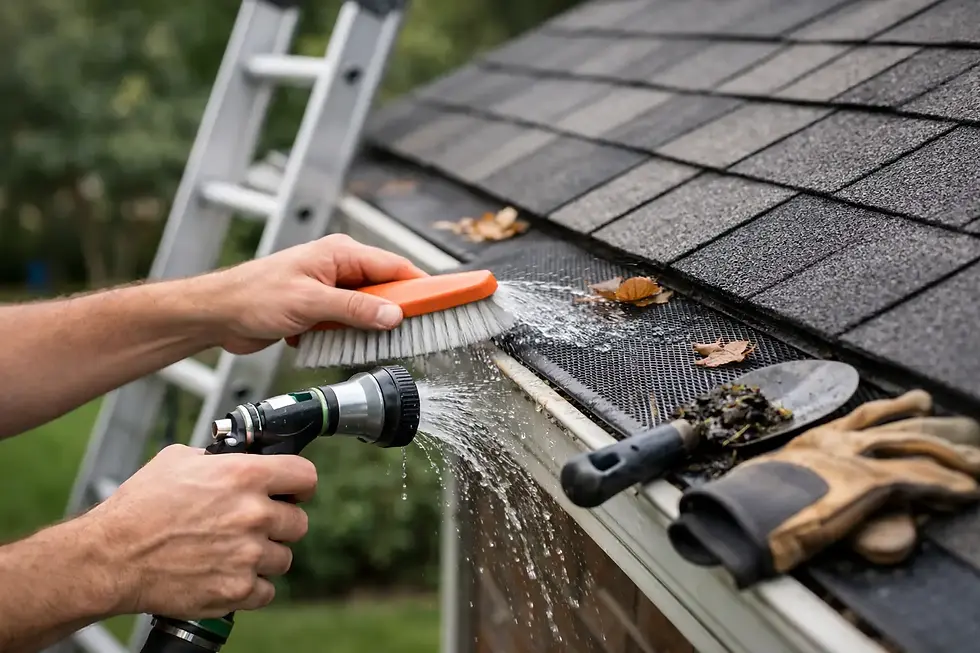
A cleaning schedule should match the trees around your home. Many properties benefit from service at least twice a year, while homes beneath mature oaks, pines, or maples may need more frequent attention. During each visit, the gutter should be cleared, downspouts checked for flow, and fasteners inspected before a small loosened section becomes a major failure.
Gutter guards can reduce the amount of large debris entering the system, but they are not a substitute for maintenance. Some guards still collect fine debris, pollen, roof grit, and material on top of the screen or cover. The trade-off is less frequent interior cleaning, provided the guards are professionally selected, installed correctly, and cleaned when needed.
After major storms, do a ground-level check. Look for overflowing water, leaning gutters, detached downspouts, or fresh debris spilling over the edge. You do not need to climb a ladder to spot many early warning signs.
Protect the Roofline Before Damage Spreads
A pulling gutter is your home’s way of signaling that water management needs attention. Whether the cause is a packed gutter, loose hardware, improper slope, or hidden fascia rot, fixing it early protects more than the gutter itself. It protects the roofline, siding, landscaping, and foundation below.
For homeowners who want a clear answer without the risk of ladder work, Virginia Gutters can inspect the system, identify the source of the failure, and recommend the repair or maintenance that fits the home. A secure, clean, properly draining gutter system gives the next Virginia storm one less opportunity to cause expensive damage.


Comments