

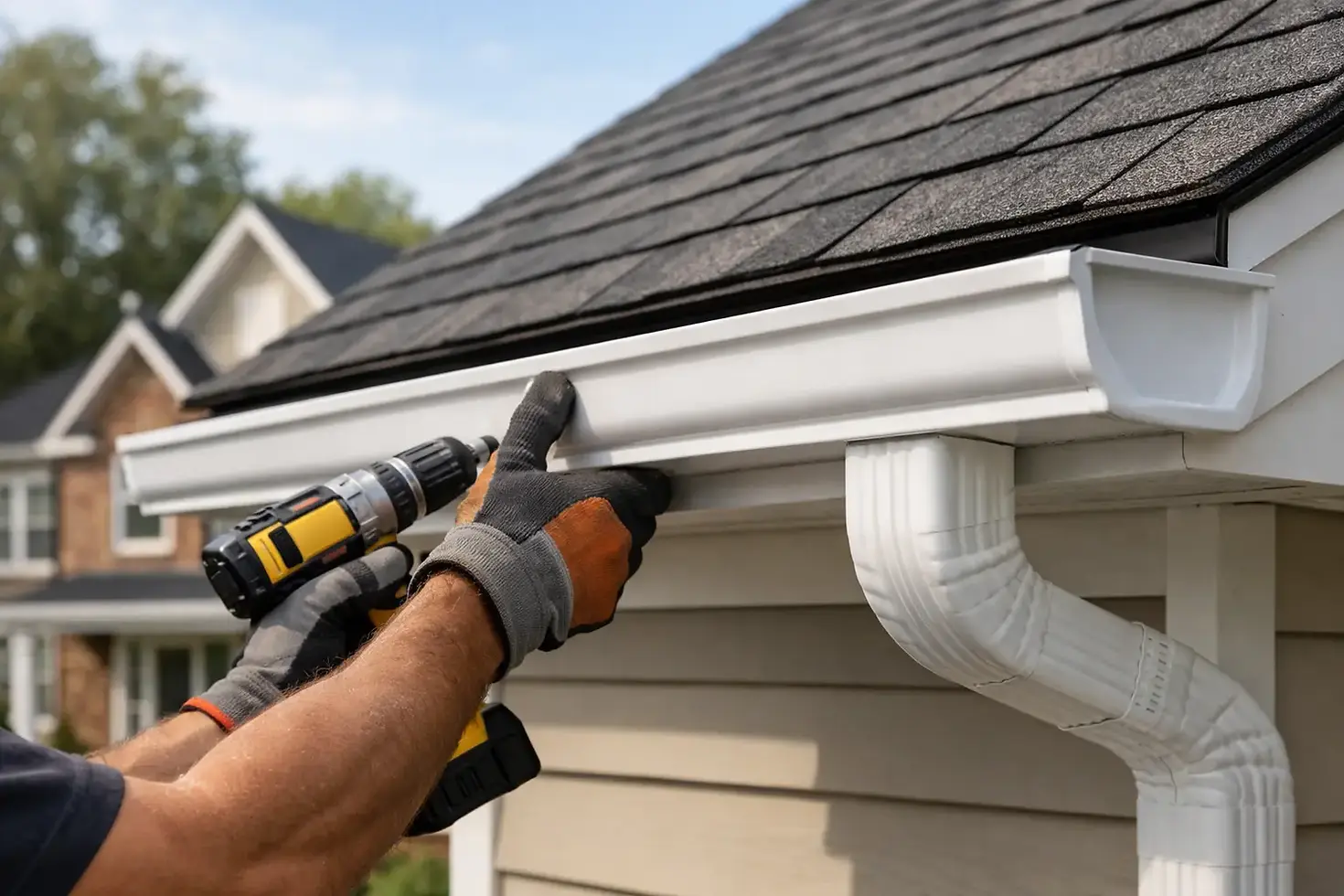
Seamless Gutter Installation for Virginia Homes
- abiesanjuan19
- 3 days ago
- 5 min read
A hard Virginia rain can reveal a gutter problem in minutes. Water spills over the edge, pours against siding, cuts channels through mulch, and pools near the foundation. Seamless gutter installation gives that water one controlled path away from your home - before a passing storm becomes a repair bill.
For homeowners across Richmond, Glen Allen, Mechanicsville, Chesterfield, Midlothian, Petersburg, and nearby communities, gutters are more than a finishing detail on the roofline. They are part of the home’s water-management system. When they are sized correctly, pitched properly, and connected to effective downspouts, they help protect the foundation, fascia, landscaping, basement, and exterior walls.
What Makes a Gutter System Different
Traditional sectional gutters are assembled from pre-cut pieces. Every connection creates a potential point for leaks, separation, or debris buildup over time. A custom-formed gutter is made on site to match the length of your roofline, which means it has far fewer joints along the run.
That does not mean it is maintenance-free. Leaves, pine needles, shingle grit, and storm debris can still clog a system. Corners, outlets, and downspouts still need attention. But reducing the number of joints helps limit common leak points and gives your home a cleaner, more tailored appearance.
The installation itself matters just as much as the material. Even a high-quality gutter can fail to do its job if it is installed with poor pitch, undersized downspouts, loose hangers, or outlets placed where water cannot drain efficiently.
Why Seamless Gutter Installation Matters in Virginia
Virginia weather puts exterior drainage systems to work. Spring brings heavy rain and pollen. Summer storms can drop a large volume of water quickly. Fall fills rooflines with leaves, acorns, and pine needles. Winter freeze-thaw cycles can worsen small sagging or drainage problems that were easy to overlook in warmer months.
When water regularly overflows at the same spot, the issue is rarely cosmetic. It may indicate a clog, an improperly pitched run, too few downspouts, or gutters that cannot handle the roof’s runoff volume. Left alone, that overflow can saturate soil around the foundation, stain brick or siding, rot fascia boards, and undermine mulch beds and walkways.
Homes surrounded by mature trees often need a more deliberate plan. Gutter guards can reduce the amount of debris entering the trough, but they should be selected and installed based on the type of trees around the property. Fine pine needles, large leaves, roof pitch, and existing drainage conditions all affect what will work best.
The Right Size Depends on Your Roof and Drainage Needs
Many homes use 5-inch gutters, and they can perform well on smaller or less complex rooflines. Larger homes, steep roofs, long roof runs, and areas that receive concentrated runoff may benefit from 6-inch gutters and larger downspouts. The goal is not to install the biggest option by default. It is to match capacity to the water your roof sends into the system.
A careful assessment considers the roof area feeding each gutter run, the pitch of the roof, valley locations, and where water currently collects on the property. Roof valleys deserve special attention because they channel water from multiple planes into one concentrated point. Without adequate capacity below them, water can shoot past the gutter during intense rain.
Downspouts are equally important. Gutters collect water, but downspouts move it away. A system with too few downspouts can back up during storms even if the gutter itself is in good condition. Extensions, splash blocks, and underground drainage may also be appropriate when water needs to travel farther from the foundation.
What a Professional Installation Should Address
A dependable installation starts before the first hanger goes up. The roofline, fascia condition, existing drainage pattern, and surrounding grade should all be reviewed. If fascia boards are soft or rotted, installing new gutters over them only hides a bigger problem temporarily.
The gutter runs should be carefully pitched toward the downspouts. The slope is subtle, but it is essential. Too little pitch can leave standing water and debris behind. Too much can make the system look uneven and may affect how water flows. Strong hidden hangers or comparable secure mounting hardware should support the gutter at appropriate intervals, especially in areas exposed to heavy rain, snow, and wind.
Professional work also includes clean outlet cuts, sealed end caps and corners, securely fastened downspouts, and a plan for directing discharge away from the home. This is where local experience matters. A drainage plan that looks fine on paper may not work if it sends water toward a sloped driveway, a neighboring property, a low garden bed, or a foundation wall.
Aluminum, Copper, and Color Choices
Aluminum is the most common choice for residential gutters because it is durable, lightweight, rust-resistant, and available in many colors. It provides dependable performance for most Virginia homes without the higher cost of specialty materials.
Copper offers a distinctive appearance and can last for decades when properly installed and maintained. It is usually chosen for historic homes, high-end properties, or homeowners who want the natural patina that develops with age. The trade-off is cost. Copper installation requires a larger upfront investment and may not be necessary for every property.
Color should complement the roofline and exterior trim, but performance should lead the decision. A gutter system that blends beautifully into the home still needs enough capacity, correct drainage, and reliable support to protect the property.
Don’t Ignore Existing Drainage Problems
New gutters cannot solve every water issue by themselves. If downspouts release water too close to the house, if underground drains are blocked, or if the yard slopes toward the foundation, overflow and pooling may continue even after replacement.
Watch for warning signs such as stained siding beneath the gutters, peeling exterior paint, muddy trenches in landscaping, water in a crawl space or basement, sagging sections, and visible gaps at corners. These signs call for an inspection before the next major storm, not after water has already reached areas it should never touch.
For some homes, underground downspout extensions are a practical addition. They can carry water farther from the foundation and keep above-ground extensions from crossing walkways or lawn areas. However, underground lines need proper slope, appropriate discharge placement, and occasional cleaning to stay effective.
Maintenance Still Protects the Investment
Even well-installed gutters need routine care. In tree-heavy neighborhoods, cleaning may be needed more than once a year. A spring inspection helps clear winter debris and prepares the system for heavy rain. Fall service is especially valuable after leaves begin dropping, though homes with pine trees may need attention throughout the year.
Homeowners should avoid treating a ladder-based gutter check as a simple weekend task. Wet roofs, unstable ground, hidden clogs, and damaged hangers create real risks. Professional service can identify loose connections, early corrosion, improper drainage, and developing fascia damage while cleaning the system.
Virginia Gutters helps homeowners build maintenance plans around their property’s trees, roofline, and seasonal drainage needs. That approach helps prevent the cycle of waiting for visible overflow, scheduling an emergency repair, and repeating the problem the following season.
Before the next heavy rain tests your roofline, take a look at where water lands around your home. If it is spilling over, pooling near the foundation, or carving through your landscaping, a properly designed gutter and drainage system can provide the protection your property has been missing.


Comments