


How to Prevent Basement Seepage in Virginia
A damp basement rarely starts with a basement problem. In many Virginia homes, the water begins at the roofline, travels through clogged gutters or short downspouts, and settles beside the foundation after a hard storm. Knowing how to prevent basement seepage means controlling that water before it has a chance to press against your foundation walls.
Basement seepage can show up as a wet spot along a wall, a musty odor, peeling paint, white mineral stains, or water pooling after heavy rain. Even small amounts of moisture deserve attention. Left alone, repeated water exposure can damage stored belongings, encourage mold growth, weaken finishes, and contribute to costly foundation repairs.
How to Prevent Basement Seepage at the Source
The most effective basement protection happens outside. Your roof, gutters, downspouts, soil, and drainage system should work together to move rainwater away from the house quickly and consistently.
Keep gutters clear and properly pitched
Gutters are your first line of defense against basement moisture. When leaves, pine needles, roof grit, and nests clog a gutter, rainwater spills over the edge. That overflow often lands directly next to the foundation, saturating the soil where it can eventually find its way into the basement.
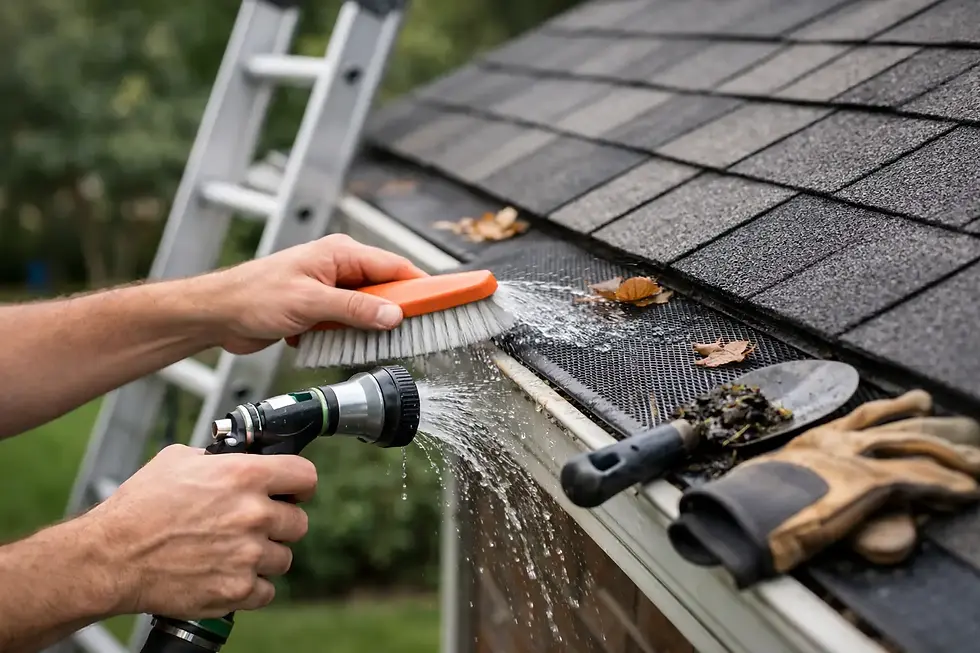
Clean gutters at least twice a year, usually in spring and late fall. Homes under mature trees may need more frequent service, especially after leaf drop or strong summer storms. During cleaning, check that water flows toward the downspouts instead of standing in long sections of the gutter. Sagging gutters, loose hangers, separated seams, and damaged end caps can all send water where it does not belong.
Gutter guards can reduce debris buildup, but they are not a reason to ignore the system. Guards still need periodic inspection and cleaning, particularly where Virginia’s mix of leaves, pollen, seeds, and storm debris collects along the roofline.
Move downspout water far from the foundation
A clean gutter cannot protect your basement if the downspout empties at the base of the house. Downspouts should discharge well away from the foundation, ideally at least 5 to 10 feet where the property layout allows. The goal is simple: keep roof runoff from soaking the soil surrounding your basement walls.
Extensions can help, but they must remain connected, open, and pointed toward a safe drainage area. Flexible extensions that fold up for mowing are convenient, yet they are often left folded during rainstorms. Buried downspout drains are a cleaner, more durable option for many properties. They direct water underground and away from the home without leaving long extensions across walkways or landscaping.
If you have underground drains already, have them checked when water backs up at the downspout. A clogged or crushed drain line can force water to surface beside the foundation, creating the exact problem the system was meant to prevent.
Correct grading around the home
The soil around your foundation should slope away from the house. A general target is a drop of about 6 inches over the first 10 feet, though your property’s layout, landscaping, and drainage patterns may require a more tailored solution.
Over time, soil settles. Mulch beds are built up too high. Landscaping borders trap runoff. A once-effective slope can turn into a shallow basin that holds water against the foundation after every storm. Walk around your home during or shortly after a heavy rain. If you see puddles beside the exterior walls, muddy areas that remain wet for days, or water flowing toward the house, the grading needs attention.
Add clean fill soil where needed, then protect the slope with mulch, grass, or appropriate ground cover. Avoid piling soil high enough to cover siding, brick weep holes, or other exterior features designed to release moisture.
Inspect the Foundation and Exterior Openings
Water follows the easiest available path. Once runoff is managed, inspect the exterior for openings that may let moisture through.
Look for cracks in foundation walls, gaps around utility lines, damaged window well covers, and deteriorated caulk around basement windows. Hairline cracks may not always signal a structural issue, but they can admit water when surrounding soil is saturated. Larger cracks, horizontal cracks, bowing walls, or recurring water intrusion should be evaluated by a qualified foundation or waterproofing professional.
Window wells need special attention. They should be clear of leaves and sediment, equipped with properly fitted covers, and designed to drain. A window well full of rainwater can quickly turn into a basement leak. If your window wells have drains, make sure they are not blocked by soil or debris.
Match Your Prevention Plan to Virginia Weather
Virginia weather can challenge a home’s drainage system in several ways. Fast-moving thunderstorms can dump a large amount of water in a short time. Autumn leaves can block gutters and underground inlets. Winter freeze-thaw cycles can loosen gutter components, crack sealant, and shift soil. Humid conditions can also make a basement feel damp even when there is no active leak.
That is why prevention should be seasonal rather than reactive. Before spring rains, inspect gutters, downspouts, and extensions. During summer, watch how the property handles heavy storms. In fall, keep up with leaf and pine needle removal. Before winter, repair loose gutters and confirm that downspouts are not draining onto walkways where water can freeze.
For homes with recurring seepage, keep a simple record of when and where moisture appears. Does it happen only after a long rain? Does one corner of the basement get wet? Does the issue begin when a particular downspout overflows? These details help identify whether the cause is roof runoff, grading, a blocked drain, a foundation opening, or a combination of issues.
Know When Interior Solutions Make Sense
Interior measures can help manage water, but they should not replace exterior drainage corrections. A dehumidifier can reduce humidity and musty odors. A sump pump can protect a basement where groundwater is a persistent concern. Interior drainage systems may be appropriate for homes with ongoing hydrostatic pressure or difficult site conditions.
Still, sending water away from the foundation remains the priority whenever possible. Installing a dehumidifier without addressing overflowing gutters is like placing a bucket under a leak without repairing the roof. It may reduce the immediate symptom, but the source continues to threaten the home.
If you use a sump pump, test it regularly and consider a battery backup. Power outages often happen during the same storms that create the greatest drainage demand. Make sure the pump’s discharge line sends water far enough away that it does not cycle back toward the foundation.
A Practical Maintenance Routine for Basement Protection
A reliable routine is more valuable than a one-time cleanup. Check your gutter system after major storms, especially if you notice water spilling over the edges or pooling near the house. Keep downspout outlets clear, inspect extensions, and remove debris from window wells before it can block drainage.
At least once a year, inspect the full path water takes from your roof to the edge of your property. Watch for loose gutters, disconnected downspouts, cracked underground drain pipes, settled soil, and low spots near the foundation. Address small repairs promptly. A loose gutter bracket or clogged outlet is usually inexpensive to fix before it becomes a wet basement and damaged drywall.
For busy homeowners and property managers, professional maintenance is often the safest choice. Ladder work, steep rooflines, hidden clogs, and underground drainage issues can make a simple-looking task more complicated than it appears. Virginia Gutters helps homeowners protect their drainage systems with cleaning, repairs, gutter guards, and underground downspout solutions designed for local conditions.
Your basement should be useful living or storage space, not a place you avoid after every storm. Keep water moving away from the house, pay attention to early warning signs, and treat gutter maintenance as protection for your entire home - from the roofline to the foundation.


Comments